


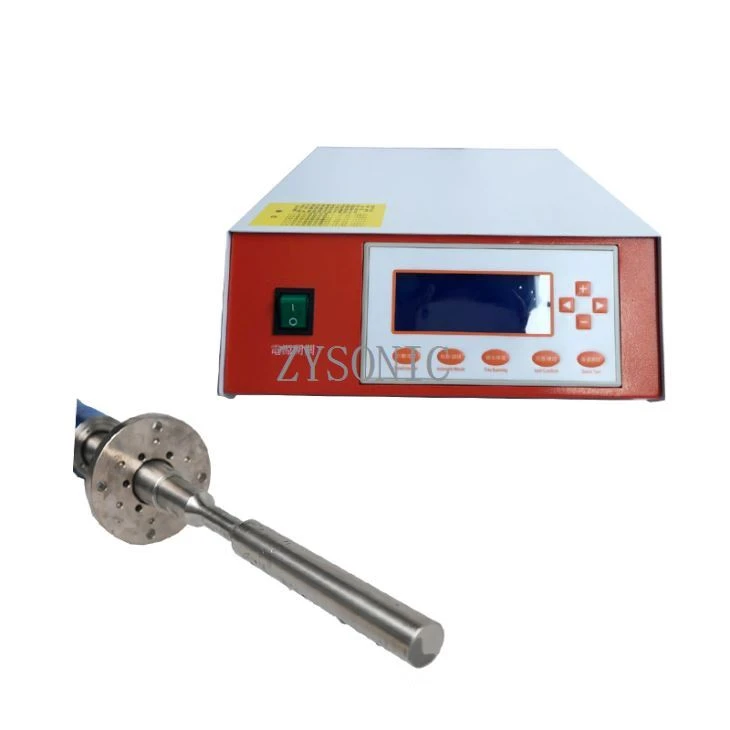
When the liquid is sonicated at high intensity, the sound waves propagating into the liquid medium produce alternating high pressure (compression) and low pressure (sparse) cycles, the rate of which depends on the frequency. During low pressure cycling, high intensity ultrasonic waves create small vacuum bubbles or voids in the liquid. When bubbles reach a volume that can no longer absorb energy, they violently collapse in a high pressure cycle, a phenomenon known as cavitation. During the explosion, the local will reach very high temperatures (about 5,000 K) and pressure (about 2,000 atm). The collapse of cavitation bubbles also causes liquid jets to flow at speeds of up to 280 m/s, and the resulting shear forces mechanically disrupt cell membranes and improve material transfer. Depending on the ultrasound parameters used, ultrasound has a destructive or constructive effect on the cells, depending on the ultrasound parameters used.
Cell Disruption
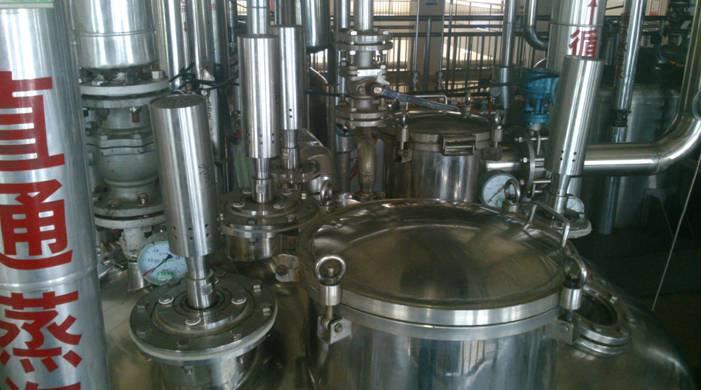
Under intense ultrasound, enzymes or proteins can be released from cells or subcellular organelles as a result of cell division. In this case, the compound dissolved into a solvent is enclosed in an insoluble structure. In order to extract it, the cell membrane must be destroyed. Cell destruction is a sensitive process because the cell wall has the ability to withstand high internal osmotic pressure. Cell damage is required to be well controlled to avoid hindering the release of intracellular products (including cell debris and nucleic acids) or product denaturation.
Ultrasonic extraction machines serve as a good control for cell decomposition. For this reason, the mechanical effects of ultrasound provide faster, more complete penetration of solvent-permeable cellular material and improved transfer quality. Ultrasound can penetrate better into plant tissues and improve mass transfer. Ultrasonic cavitation produces disruption of the cell wall and promotes the release of matrix components.
Description
Power | 1000W | 1500W | 2000W | 3000W |
Frequency | 20Khz | |||
Amplitude/power adjustment range | 50-100% | 20-100% | 20-100% | 20-100% |
Temperature | <300℃ | |||
Volume of reactor | 5-100L | |||
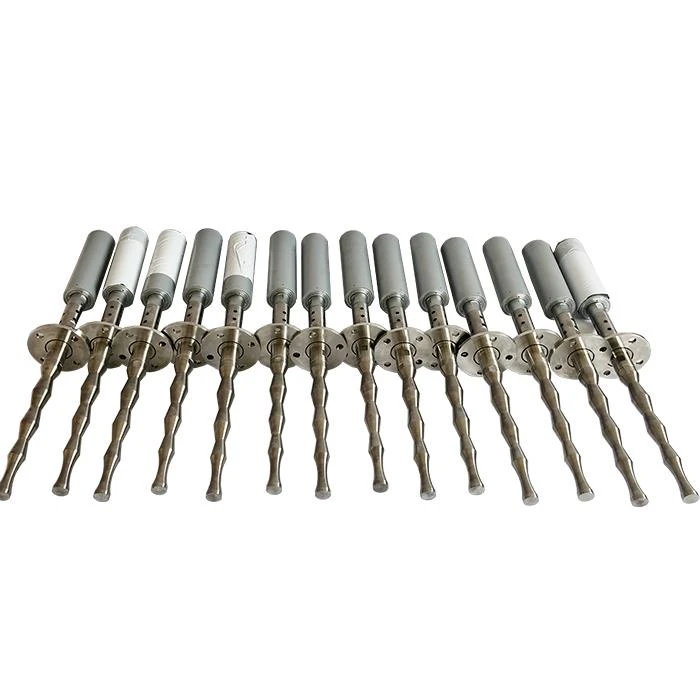
Standard Spec | Ultrasonic device + Digital Generator | |||
Optional configuration | Stainless steel reactor, Remote communication interface, flow meter, pump, mechanical mixer | |||
Hot Tags: cell disruption ultrasonic extraction of proteins, China cell disruption ultrasonic extraction of proteins suppliers, manufacturers, factory


